
 EN
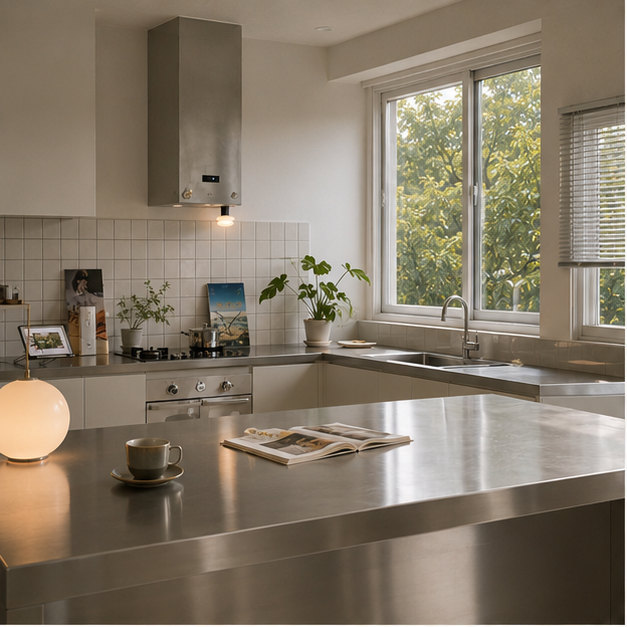
Sliding windows represent one of the most practical and widely adopted architectural solutions for modern buildings, offering businesses and homeowners an efficient way to manage natural light, ventilation, and aesthetic appeal. Understanding the fundamentals of sliding window technology, design principles, and installation requirements is essential for making informed decisions that balance performance, cost-effectiveness, and long-term durability. Whether you are planning a commercial renovation, constructing a new facility, or upgrading residential properties, knowledge about sliding window systems helps ensure that your investment delivers optimal results across multiple operational seasons.
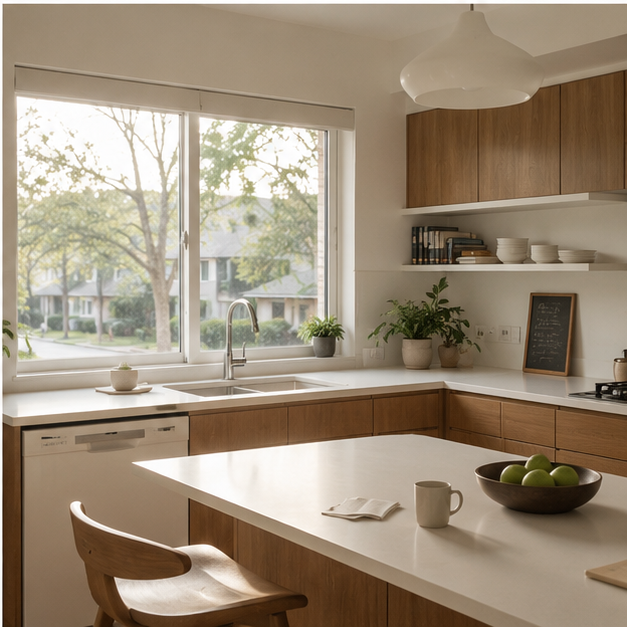
A sliding window operates on a horizontal track system that allows one or more window panels to slide smoothly across an opening, creating flexible control over ventilation and light exposure. Unlike traditional casement or double-hung windows, sliding window designs eliminate the need for complex hinges or locking mechanisms that protrude into interior or exterior spaces, thereby maximizing usable room dimensions. This straightforward mechanical approach makes sliding window installations particularly valuable in tight spatial environments, warehouse facilities, retail storefronts, and residential applications where space efficiency directly impacts property value and user satisfaction.
Core Features and Structural Advantages of Sliding Window Systems
Material Composition and Performance Standards
Modern sliding window frames are typically constructed from aluminum alloy or vinyl materials that provide superior strength-to-weight ratios compared to traditional wood or steel alternatives. Aluminum sliding window profiles offer exceptional durability, corrosion resistance, and minimal maintenance requirements, making them the preferred choice for commercial and high-traffic environments. A quality sliding window unit incorporates thermal break technology, which involves inserting insulating materials between interior and exterior aluminum layers to reduce heat transfer and improve energy efficiency ratings. These structural enhancements ensure that your sliding window investment maintains performance integrity throughout extended operational lifespans, even in demanding climates or high-use scenarios.
Track Engineering and Operational Smoothness
The track system forms the mechanical backbone of any sliding window installation, determining how smoothly panels move and how securely they lock in place. Professional-grade sliding window tracks feature precision-engineered channels that guide panel movement while incorporating drainage pathways to prevent water accumulation and moisture-related damage. Advanced sliding window designs include multi-point locking mechanisms that distribute sealing pressure evenly across panel edges, creating weather-tight seals that resist air infiltration even under pressure from wind or temperature fluctuations. Understanding track quality directly correlates to long-term sliding window performance and user satisfaction, as poor-quality tracks lead to sticky operation, misalignment, and premature seal failure.
Installation Considerations and Site-Specific Requirements
Measurement Accuracy and Pre-Installation Assessment
Successful sliding window installation begins with precise opening measurements that account for wall composition, existing structural elements, and environmental factors unique to your facility. A professional assessment of your sliding window installation site identifies potential challenges such as uneven surfaces, obstructions, or environmental exposures that could affect long-term performance. The sliding window opening must be square and level to ensure panels move freely and seals function effectively, preventing operational problems that emerge months or years after installation. Investing time in detailed pre-installation planning for your sliding window project eliminates costly rework, minimizes operational disruptions, and ensures that performance specifications align with business requirements.
Professional Installation and Warranty Considerations
Certified installation professionals understand that sliding window systems require proper flashing, sealing, and anchoring to prevent water intrusion and structural failure. Your sliding window project timeline should account for weather conditions, material lead times, and facility access constraints that could delay completion. Most manufacturers provide comprehensive warranties covering sliding window frame integrity, hardware function, and seal performance when installations follow documented specifications. Partnering with experienced installers ensures that your sliding window investment receives proper support throughout the installation process, protecting both the product warranty and your property's structural integrity.
Performance Specifications and Maintenance Best Practices
Energy Efficiency and Environmental Impact
Energy performance remains a critical consideration when selecting and installing sliding window systems, as window performance directly influences heating and cooling costs across the operational year. Modern sliding window designs achieve high insulation values through multi-pane glass configurations, low-emissivity coatings, and thermal break frame technology that minimizes heat transfer between interior and exterior environments. Choosing a high-performance sliding window solution reduces dependence on mechanical climate control, lowers operational expenses, and supports environmental sustainability objectives pursued by many organizations. Performance ratings for sliding window units appear in product documentation as U-values and Solar Heat Gain Coefficients, which allow direct comparison of energy efficiency across different sliding window options.
Routine Maintenance and Longevity Strategies
Regular maintenance activities extend sliding window lifespan significantly and maintain operational smoothness that users expect from quality installations. Periodic cleaning of sliding window tracks removes debris accumulation that interferes with panel movement and compromises weathertight seals. Lubricating sliding window hardware annually with appropriate products prevents rust formation and ensures that locking mechanisms function reliably throughout the year. Inspecting sliding window seals and weatherstripping regularly allows early detection of deterioration that, when addressed promptly, prevents water intrusion and structural damage. A comprehensive maintenance schedule transforms sliding window systems into reliable building components that deliver performance benefits for decades with minimal intervention.
FAQ
What are the main advantages of choosing a sliding window over traditional window styles?
Sliding window designs provide superior space efficiency by eliminating protruding hinges or casement arms, making them ideal for tight spaces, commercial storefronts, and modern architectural aesthetics. The horizontal sliding window operation remains intuitive for users across all age groups, and the simple mechanical design reduces maintenance complexity compared to more elaborate window systems. Additionally, sliding window configurations accommodate larger glass areas relative to frame dimensions, maximizing natural light penetration while maintaining structural integrity and weather resistance.
How does thermal break technology improve sliding window energy performance?
Thermal break materials inserted between exterior and interior aluminum layers of a sliding window frame create an insulating barrier that prevents direct heat conduction from outside to inside environments. This sliding window enhancement significantly reduces heat transfer during winter months and minimizes unwanted solar gain during summer periods, thereby reducing energy consumption for climate control. Buildings equipped with high-performance sliding window systems featuring thermal break technology experience measurable utility cost reductions and improved occupant comfort throughout seasonal temperature variations.
What maintenance routine keeps sliding window systems functioning optimally?
Effective sliding window maintenance includes quarterly track cleaning to remove dirt and debris, annual lubrication of moving hardware with silicone-based products, and biannual inspection of seals and weatherstripping for signs of deterioration. Addressing visible damage to sliding window components promptly prevents small issues from escalating into major performance problems or water intrusion events. Most sliding window systems maintain excellent performance for two decades or longer when owners follow basic maintenance practices and address repairs as needed.