
 EN
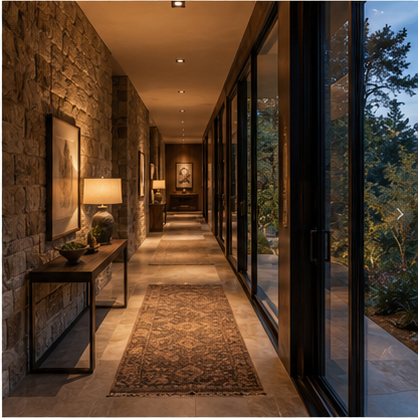
Modern offices face constant pressure to maximize productivity while maintaining employee satisfaction and operational efficiency. A sliding glass door can transform workplace dynamics by creating an environment that balances openness with privacy, natural light with focused work zones, and visual connectivity with acoustic control. The strategic integration of a sliding glass door into office design directly influences how teams collaborate, how individuals concentrate, and ultimately how productive your workforce becomes. Understanding the connection between physical workspace design and employee performance reveals why a sliding glass door has become essential in contemporary office planning.
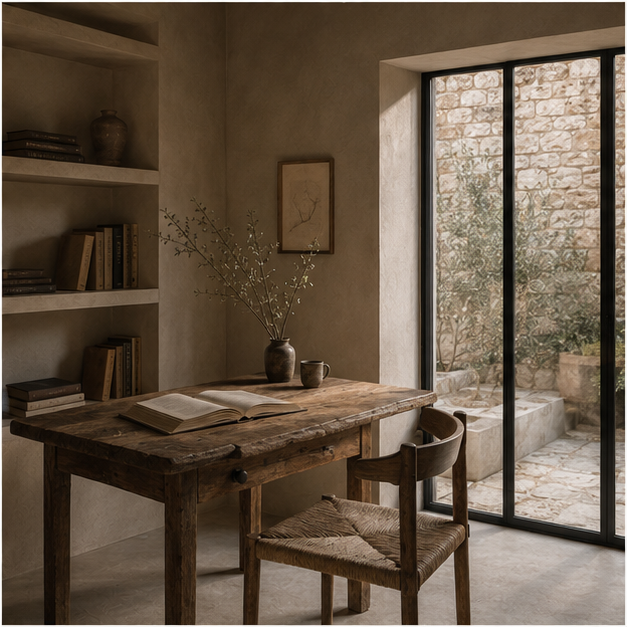
The impact of a sliding glass door extends beyond aesthetic appeal into measurable workplace performance outcomes. Research consistently demonstrates that office environments featuring abundant natural light, visual connectivity, and well-designed spatial divisions lead to improved employee engagement, reduced fatigue, and enhanced decision-making capabilities. A sliding glass door achieves all three simultaneously, making it a cornerstone investment for organizations seeking to optimize their physical workspace for sustained productivity gains.
Natural Light and Cognitive Performance
How Daylight Enhances Mental Clarity
Natural light directly impacts cognitive function, alertness, and mood regulation in office environments. A sliding glass door allows daylight to penetrate deep into interior spaces, reducing reliance on artificial lighting and creating circadian rhythm alignment for employees. Studies show that workers exposed to adequate natural light demonstrate 15–25% higher productivity levels compared to those in artificially lit spaces. When you install a sliding glass door in conference rooms, break areas, or management offices, you establish a light pathway that energizes the entire floor. The translucent quality of a sliding glass door permits light transmission while maintaining visual privacy, striking the balance between openness and discretion that modern offices require.
Reducing Eye Strain and Fatigue
Prolonged exposure to fluorescent or LED artificial lighting causes eye strain, headaches, and afternoon fatigue—all barriers to sustained productivity. A sliding glass door introduces natural wavelengths that reduce strain on the visual system and support the body's natural energy cycles. Employees working near spaces accessed by a sliding glass door report fewer headaches, better focus during critical tasks, and improved ability to maintain concentration through the end of the workday. The investment in a sliding glass door therefore reduces unplanned absences and supports consistent productivity output across teams.
Spatial Flexibility and Collaboration
Creating Adaptable Meeting and Conference Areas
Office workflows constantly evolve, requiring spaces that adapt to different meeting sizes, confidentiality levels, and collaborative needs. A sliding glass door provides the flexibility to create temporary, semi-private, or fully enclosed spaces without structural renovation. Teams can adjust configurations throughout the day—opening a sliding glass door during brainstorm sessions to encourage cross-team energy and closing it during focused individual work or confidential discussions. This adaptability reduces the need for permanent construction, lowering facility costs while increasing space utilization efficiency. A sliding glass door essentially becomes an on-demand tool for managing spatial needs without sacrificing the open-office aesthetic that many organizations value.
Facilitating Visual Connection Across Teams
Organizational silos develop when teams become physically isolated from one another, reducing spontaneous collaboration and cross-functional communication. A sliding glass door maintains visual connectivity between departments while preventing acoustic interference and distractions. Employees can see colleagues, read body language, and recognize when someone is available for quick consultations without needing formal meeting requests. This informal visibility encourages organic idea sharing, accelerates problem-solving, and builds stronger team cohesion. The psychological effect of proximity and visual connection—enabled by a sliding glass door—fosters a culture of accessibility and shared purpose that directly translates into improved productivity metrics.
Privacy, Acoustics, and Focus
Balancing Openness with Concentration Zones
Not all work requires collaborative energy; individual concentration remains critical for analysis, writing, programming, and strategic thinking. A sliding glass door creates designated focus areas within open-plan layouts, giving employees a psychological boundary and physical refuge for deep work. The act of closing a sliding glass door signals to colleagues that interruptions are not welcome, reducing context-switching and protecting valuable focus time. Organizations that implement a sliding glass door strategy report higher completion rates for complex projects and fewer deadline extensions caused by disrupted workflow.
Sound Management in Open Spaces
Open offices amplify noise challenges—conversations, notifications, and equipment sounds create constant auditory distractions that fracture concentration. A sliding glass door with acoustic properties reduces sound transmission by 30–40%, creating quieter zones adjacent to high-traffic areas. When you position a sliding glass door between reception areas and work zones, or between conference rooms and individual workstations, you create acoustic buffers that preserve employee focus without sacrificing visual connectivity. This strategic sound management is particularly valuable in fast-paced industries where phone calls, client interactions, and rapid-fire discussions are routine.
Employee Wellness and Retention
Supporting Physical and Mental Health
Employee wellness directly influences productivity, engagement, and retention rates. A sliding glass door contributes to wellness by improving air quality perception, reducing stress through visual connection to natural elements, and providing microclimate control in individual spaces. Workers feel more valued and respected when they have access to semi-private, well-lit spaces that a sliding glass door provides. The autonomy to control your environment—opening or closing a sliding glass door based on your immediate needs—increases psychological ownership and job satisfaction. Organizations investing in this environmental quality see measurable improvements in employee retention and reduced turnover costs.
Creating Inclusive, Accessible Spaces
Modern office design must accommodate diverse working styles, sensory needs, and accessibility requirements. A sliding glass door enables neurodiverse employees, those with sensory sensitivities, and individuals with mobility considerations to participate fully in the workplace. An employee who needs periodic quiet can step behind a sliding glass door; another who requires visual stimulation can position themselves where a sliding glass door permits sightlines across the floor. This flexibility demonstrates organizational commitment to inclusion and creates psychological safety that enhances overall productivity for all staff members.
FAQ
Can a sliding glass door reduce overall heating and cooling costs?
Yes, modern sliding glass doors with insulated frames and low-emissivity glazing minimize thermal transfer while maintaining visual connectivity. A sliding glass door allows you to zone climate control in areas of high occupancy or activity, reducing the load on central systems. The natural light provided by a sliding glass door also reduces daytime cooling requirements by decreasing artificial lighting loads, leading to measurable energy savings that offset installation costs within 3–5 years in most commercial settings.
How does a sliding glass door compare to fixed glass partitions for office design?
A sliding glass door offers flexibility that fixed partitions cannot match, allowing you to reconfigure spaces as organizational needs evolve. While fixed walls are permanent, a sliding glass door can be opened, closed, or repositioned to adapt to changing team structures or workflow patterns. The operational capability of a sliding glass door makes it ideal for organizations anticipating growth, restructuring, or changing work patterns, whereas fixed solutions are best suited to stable, long-term spatial requirements.
What design considerations ensure a sliding glass door maximizes productivity impact?
Position a sliding glass door to maximize natural light penetration into interior spaces, separate high-traffic zones from focused work areas, and maintain visual connectivity across teams. Ensure the sliding glass door includes noise-dampening features if positioned near phone banks or meeting areas. Choose frame finishes and glazing options that match your brand identity while prioritizing durability and maintenance efficiency. Consulting with workplace design specialists ensures your sliding glass door installation delivers both aesthetic and functional productivity benefits aligned with your organizational culture and operational requirements.