
 EN
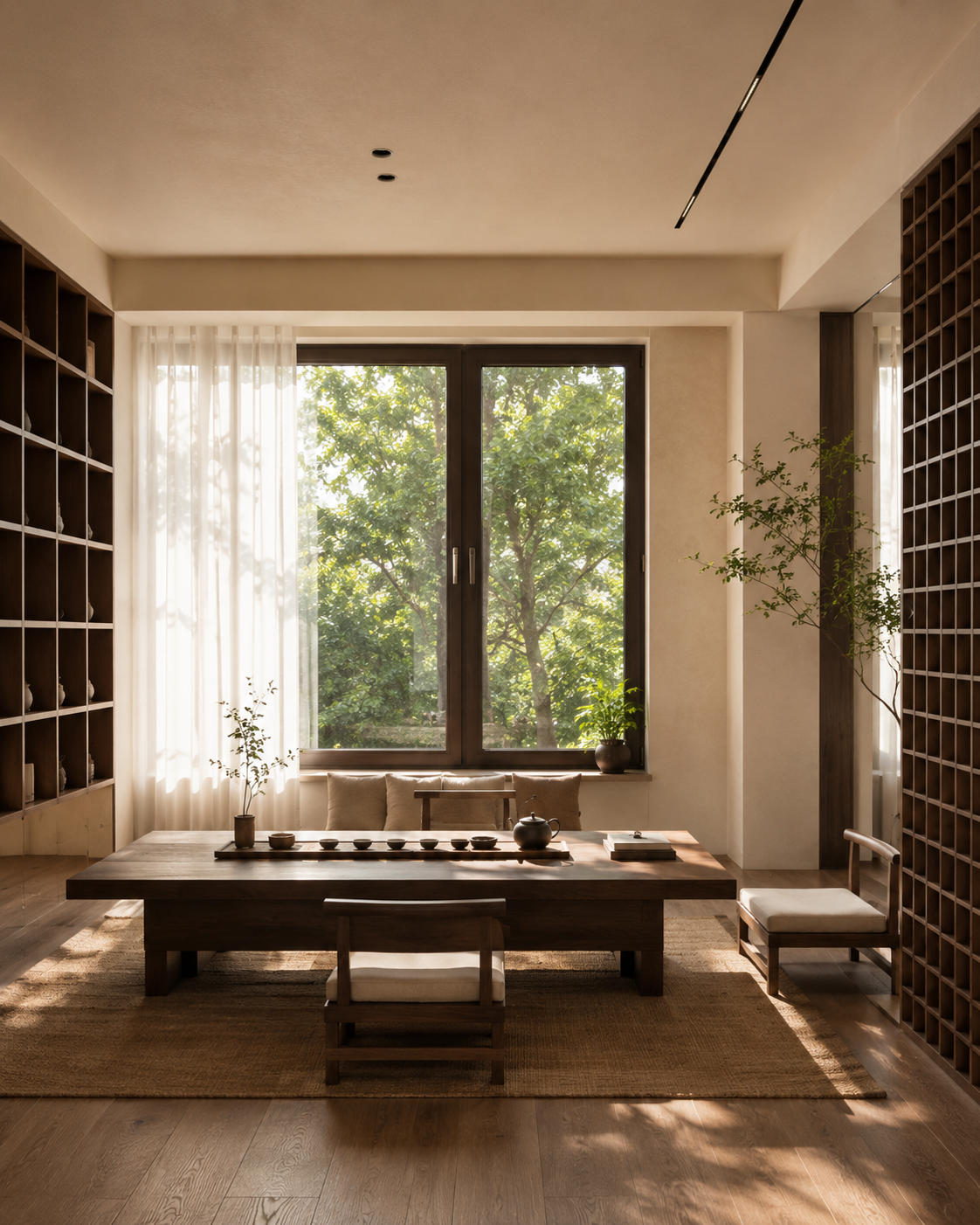
Double glazed casement windows have become a standard choice for homeowners and commercial property managers seeking to improve building energy performance and reduce operational heating costs. These windows feature two panes of glass separated by an insulating air or gas-filled chamber, which significantly reduces heat transfer through the window assembly. Understanding how double glazed casement windows work and their thermal properties is essential for anyone making informed decisions about building envelope upgrades or new construction specifications.
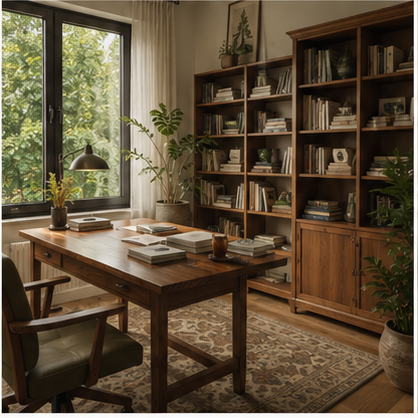
The casement design combined with double glazing creates an effective thermal barrier that outperforms single-pane alternatives by a substantial margin. When installed correctly with proper weatherstripping and frame construction, double glazed casement windows deliver measurable reductions in annual energy consumption across residential, commercial, and institutional applications. This article explores the fundamental principles behind double glazed casement windows performance and explains why they represent a practical investment for energy-conscious property owners.
How Double Glazed Casement Windows Reduce Heat Transfer
The Thermal Insulation Principle Behind Dual Panes
Double glazed casement windows operate on a straightforward thermal principle: the air or argon gas trapped between the two glass panes acts as an insulating layer that slows heat movement from inside to outside during winter and vice versa during summer. This air gap, typically ranging from 12 to 20 millimeters, creates a thermal break that single-pane windows cannot provide. The conductivity of air is far lower than that of glass, making the cavity the primary resistance point in the window assembly. Double glazed casement windows manufacturers carefully control this cavity depth to optimize thermal resistance without creating structural complications.
Low-Emissivity Coatings and Frame Performance
Modern double glazed casement windows often include low-emissivity (low-E) coatings on one or both glass surfaces, which reflect infrared radiation back into the building during winter while allowing visible light to enter. These invisible metallic coatings significantly enhance the thermal performance of double glazed casement windows by reducing radiative heat loss. The frame material also influences overall thermal performance; aluminum frames conduct heat more readily than wood or vinyl, which is why high-performance double glazed casement windows typically feature thermal breaks or insulated aluminum sections to minimize conduction through the frame itself.
Energy Efficiency Benefits and Cost Implications
Annual Energy Savings and Payback Timeframes
Double glazed casement windows deliver measurable reductions in heating and cooling energy consumption, with typical savings ranging from 15 to 30 percent in residential applications depending on climate zone and existing window condition. Properties transitioning from single-pane to double glazed casement windows often see meaningful reductions in monthly utility bills, particularly during heating-dominated seasons when heat loss through windows represents a significant portion of building heat load. The payback period for double glazed casement windows typically ranges from 5 to 15 years based on installation costs, local energy rates, and climate severity, making them a sound long-term investment for most property owners.
Condensation Control and Interior Comfort
Double glazed casement windows maintain higher interior surface temperatures during cold weather, which prevents the condensation formation that occurs on single-pane windows. This condensation reduction improves interior air quality, reduces mold risk on window frames and adjacent surfaces, and enhances occupant comfort throughout the heating season. The temperature gradient across double glazed casement windows is far less severe than single-pane designs, meaning the inner pane remains closer to room temperature. This thermal characteristic contributes to perceived comfort and reduces the likelihood of thermal drafts that occupants feel near single-pane window installations.
Installation Standards and Performance Verification
Proper Sealing and Frame Installation Quality
The energy efficiency benefits of double glazed casement windows depend critically on proper installation workmanship and sealing integrity. Air leakage through poorly sealed frame perimeters can negate much of the thermal advantage gained from the dual-pane design, so installation must follow manufacturer specifications precisely. Double glazed casement windows require continuous weatherstripping around the operable casement sashes, properly applied sealant at the frame-to-wall interface, and insulation of any cavity behind the frame. Quality installation practices for double glazed casement windows include verification that the units are plumb, level, and square before final fastening and sealing.
Rating Systems and Performance Metrics
Double glazed casement windows performance is quantified through standardized metrics including U-value, Solar Heat Gain Coefficient (SHGC), and Air Leakage Rate. U-value measures overall thermal transmittance, with lower values indicating better insulation; double glazed casement windows typically achieve U-values between 0.22 and 0.32 depending on frame material and coatings. SHGC quantifies solar radiation transmission, relevant for cooling-dominated climates where controlling solar gain reduces air conditioning load. Building codes and energy standards increasingly reference these metrics, making it essential to specify double glazed casement windows with performance ratings appropriate for the application climate and building orientation.
Climate Zone Considerations and Application Scenarios
Cold Climate Performance Requirements
In heating-dominated climates, double glazed casement windows with low-E coatings optimized for heat retention provide maximum energy value, as the primary concern is minimizing winter heat loss. Double glazed casement windows specified for cold regions often include triple-glazing configurations, thicker cavity depths, and premium frame insulation to achieve exceptionally low U-values. The casement operable design functions effectively in cold climates, providing manual control over ventilation without sacrificing thermal performance when windows remain closed during severe weather.
Mixed and Warm Climate Considerations
Double glazed casement windows in mixed or warm climates require different coating strategies, emphasizing low solar gain to reduce cooling load during extended warm seasons. In these applications, the SHGC rating becomes as important as U-value, and double glazed casement windows are typically specified with reflective coatings that reject solar radiation while maintaining adequate light transmission. Double glazed casement windows with adjustable exterior shading also enhance energy performance in warm climates by allowing occupants to modulate solar exposure throughout the day and season.
FAQ
Do double glazed casement windows require special maintenance to preserve energy efficiency?
Double glazed casement windows require routine cleaning and regular inspection of weatherstripping and sealants, but no special maintenance beyond standard window care is necessary. The sealed cavity between glass panes is permanently sealed and requires no maintenance; however, external sealants at the frame perimeter should be inspected annually and resealed if gaps appear. Operating casement hardware should be cleaned and lightly lubricated annually to ensure smooth operation and proper closure, which maintains the weathertight integrity essential for sustained energy performance.
Can double glazed casement windows be retrofitted into existing frames?
Full retrofit installation of double glazed casement windows into original single-pane frames is typically not feasible because the frame depth and structure differ significantly between single and dual-pane units. However, double glazed casement windows replacement installations can be performed by removing the entire original window assembly and installing new double glazed casement windows units in the existing rough opening, which is the standard retrofit approach. Professional installers ensure that new double glazed casement windows are properly shimmed, sealed, and insulated at the frame perimeter to achieve specified thermal and air-leakage performance.
What performance difference should I expect between double glazed casement windows and triple-glazed alternatives?
Triple-glazed windows provide approximately 20 to 30 percent additional thermal resistance compared to double glazed casement windows, translating to slightly lower U-values and enhanced performance in extreme climates. However, the incremental cost of triple-glazed casement windows is substantially higher, and the additional energy savings in moderate climates may not justify the investment within a reasonable payback period. Double glazed casement windows remain the optimal performance-to-cost choice for most applications, while triple-glazed options are best reserved for passivhaus standards, arctic climates, or buildings with exceptional energy requirements.