
 EN
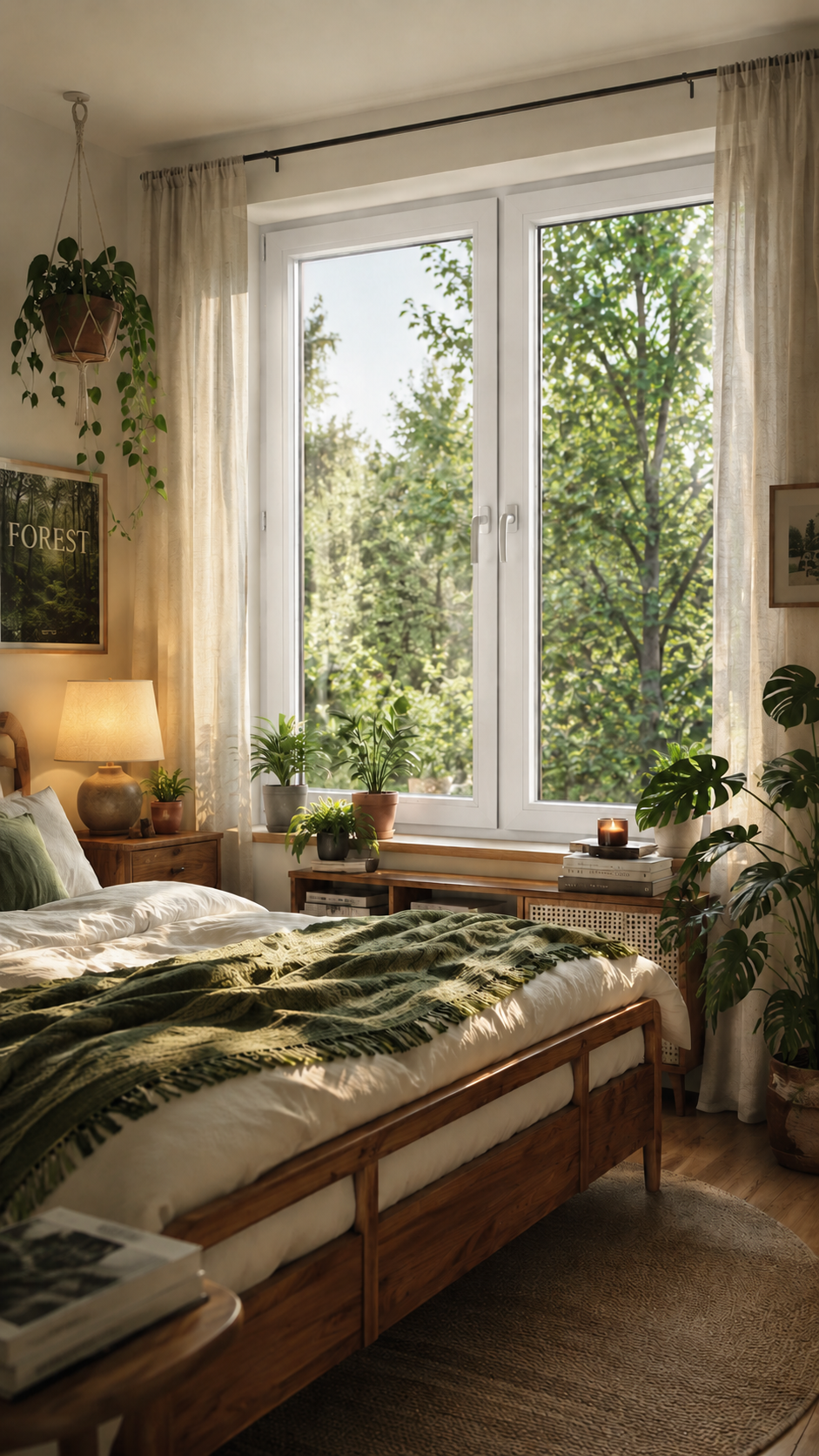
Selecting the right window style for your home or building project is one of the most consequential decisions in architectural planning and energy efficiency management. A casement window and a sliding window represent two fundamentally different operating mechanisms, each with distinct advantages and limitations depending on your space, climate, and functional requirements. Understanding the core differences between these two window types helps you make an informed choice that aligns with your building's performance goals, aesthetic preferences, and practical usage patterns. The distinction between a casement window and its sliding counterpart extends beyond mere appearance; it affects ventilation capacity, maintenance demands, weatherproofing reliability, and long-term operational performance. This guide compares both styles comprehensively to help you determine which window solution best fits your specific application.

A casement window operates using a hinged side-opening mechanism similar to a traditional door, while a sliding window glides horizontally or vertically along a track system. Both designs serve essential functions in residential and commercial construction, but each excels in different scenarios. The choice between a casement window and a sliding model depends on factors including available wall space, desired ventilation levels, climate conditions, aesthetic coordination with existing architecture, and maintenance considerations. By examining the operational mechanics, performance metrics, installation requirements, and real-world applications of each style, you can determine whether a casement window or a sliding window represents the optimal solution for your building envelope design.
Understanding Casement Window Design and Operation
Mechanical Function and Opening Direction
A casement window features a sash that opens outward or inward through a hinged side frame, functioning much like a standard residential door. The sash is mounted on vertical hinges attached to the frame, and operation occurs through a manual crank handle, push bar, or automated actuator mechanism. This outward or inward swing motion distinguishes the casement window from sliding designs, which operate on a track-based horizontal or vertical sliding plane. The casement window design allows the entire sash to project away from the building envelope when opened, providing unobstructed ventilation and clear window access for cleaning. The hinge mechanism in a quality casement window system ensures smooth, reliable operation across thousands of cycles while maintaining weatherproofing integrity. Professional installation of a casement window requires proper frame alignment and hinge calibration to prevent binding, sticking, or compromised seal integrity over extended service life.
Ventilation and Airflow Characteristics
A casement window delivers superior ventilation performance compared to sliding window alternatives because the entire sash opens fully to the outside, maximizing air circulation without any obstruction or fixed panel restrictions. When fully opened, a casement window captures wind flow patterns and directs air directly into interior spaces with minimal turbulence or dead zones. This directional airflow advantage makes a casement window ideal for climate zones requiring frequent natural ventilation and passive cooling strategies. The casement window outward projection also prevents water intrusion during rain events because water cannot flow horizontally across an open sash as it can with sliding windows. For buildings prioritizing natural ventilation efficiency, fresh air quality, and weather resistance, a well-designed casement window system provides measurable performance advantages over traditional sliding configurations. The ventilation superiority of a casement window becomes particularly valuable in humid climates, multistory buildings requiring natural stack effect ventilation, and applications where mechanical cooling cannot be reliably supplied.
Sliding Window Characteristics and Performance
Track-Based Mechanism and Space Requirements
A sliding window operates on a horizontal or vertical track system where one or both sashes glide smoothly along aluminum or vinyl channels without requiring outward or inward swing clearance. This track-based design means a sliding window never projects beyond the building plane, making it ideal for spaces with limited exterior clearance, narrow balconies, or tight street-facing applications. Unlike a casement window, which demands adequate exterior space for the sash to swing open freely, a sliding window integrates flush with the wall surface and frame assembly. For interior applications, a sliding window eliminates the risk of protruding sashes interfering with furniture, drapery systems, or pedestrian traffic patterns. The space-efficient nature of a sliding window makes it particularly valuable in retrofit projects, multifamily residential buildings with tight unit layouts, and commercial environments where exterior clearance is severely constrained. A sliding window operates with minimal mechanical complexity compared to the hinged assembly required by a casement window system.
Maintenance and Cleaning Access
A sliding window presents different maintenance and cleaning considerations compared to a casement window design. Because sliding windows operate on tracks that collect debris, dirt, and weather-driven contaminants, regular track cleaning becomes essential to maintain smooth operation and weatherproofing seal integrity. The casement window eliminates track-based maintenance because hinged sashes do not operate within channels. However, a casement window requires periodic inspection and lubrication of hinge mechanisms and weatherstripping replacement to maintain operating reliability and weather protection. Exterior glass cleaning on a sliding window proves more challenging because sashes cannot project outward like a casement window, requiring ladder access or professional exterior cleaning services for upper-story installations. A casement window enables homeowners to clean both interior and exterior surfaces from inside the building by opening the sash completely. The cleaning advantage favors a casement window for residential applications, particularly in multistory buildings where a casement window eliminates dangerous ladder work for maintenance and cleaning activities.
Energy Performance and Climate Suitability
Thermal Efficiency and Weather Sealing
A casement window typically delivers superior thermal performance compared to sliding windows because the hinge-based sash closes against the frame with consistent pressure applied by the mechanical latch and compression seal. This compression-based weatherproofing ensures that a casement window maintains exceptional air tightness when properly installed and maintained. Sliding windows can develop air leakage over time as track channels accumulate debris or as weatherstripping degrades from repetitive sliding friction. The casement window consistent compression seal makes it the preferred choice in cold climates, high-altitude locations, and applications requiring superior energy efficiency and lower heating costs. For regions experiencing extreme weather conditions including ice storms, heavy snow loads, or intense wind pressure, a casement window resists pressure-driven air infiltration more effectively than track-based sliding configurations. Energy modeling and thermal analysis consistently demonstrate that a casement window achieves SHGC (Solar Heat Gain Coefficient) and U-value ratings that meet or exceed sliding window performance across comparable frame material and glass specifications. The thermal advantage of a casement window becomes financially significant across the building's operational lifespan, particularly in energy-conscious construction or renovation projects.
Climate-Specific Application Scenarios
A casement window performs optimally in cold climates, mountainous regions, and locations experiencing severe seasonal weather because the compression-based seal prevents air leakage and condensation buildup. A casement window also suits temperate climates where seasonal ventilation changes require flexible opening control through manual crank adjustment. In hot, humid climates, the full ventilation potential of a casement window becomes invaluable for cross-ventilation cooling and moisture management without mechanical air conditioning. Conversely, a sliding window suits applications where building occupants require minimal operational effort and where exterior clearance restrictions prevent casement window installation. High-rise commercial buildings frequently employ sliding windows because the casement window outward swing creates safety and maintenance complications on building facades. Retrofit projects often favor sliding windows because existing wall structure typically cannot accommodate the additional exterior clearance required by a casement window. The optimal window choice depends entirely on climate demands, spatial constraints, and occupant usage patterns specific to your building location and design objectives.
Installation, Cost, and Long-Term Maintenance
Installation Complexity and Frame Requirements
A casement window installation demands precise frame alignment and hinge calibration to ensure smooth operation, proper weathersealing, and safe closure mechanics throughout the product lifespan. The hinge-based assembly of a casement window requires skilled installation labor and specialized hardware components that increase material costs compared to basic sliding window systems. A casement window frame must be structurally robust enough to support the repeated stress cycles from opening and closing operations without frame flexing or hinge load concentration failures. Sliding window installation proves simpler because track-based mechanisms require less precision alignment and operate with minimal calibration demands. However, both window types require proper flashing, weather barrier integration, and sealant application around the frame perimeter to achieve water-resistant building envelope performance. A professional casement window installation ensures that hardware operates smoothly, weatherstripping seals properly, and the sash achieves consistent closure against the frame compression seal across all opening positions.
Operational Longevity and Replacement Cycles
A high-quality casement window system can deliver 30 to 50 years of reliable service if properly maintained and manufactured from durable materials such as thermal break aluminum or quality vinyl composite frames. The mechanical durability of a casement window depends heavily on hinge quality, weatherstripping composition, and frame structural integrity maintained over extended environmental exposure. Regular maintenance of a casement window including weatherstripping inspection, hinge lubrication, and frame caulk renewal significantly extends operational lifespan and performance reliability. Sliding windows typically require replacement or major refurbishment every 20 to 30 years as track mechanisms accumulate wear and weatherstripping degrades from sliding friction stress. The casement window compression-based seal design requires less frequent maintenance intervention compared to track-based systems that demand regular debris removal and lubrication. casement window products manufactured with modern thermal break technology and high-performance weatherstripping materials consistently outperform basic sliding window alternatives across commercial and residential applications in terms of long-term reliability and operational consistency.
FAQ
Should I choose a casement window for a cold climate building?
Yes, a casement window represents the optimal choice for cold climate applications because the compression-based weathersealing prevents air infiltration that drives heating costs upward. The superior thermal performance and airtightness of a casement window make it the preferred window style for energy-efficient construction in regions experiencing long heating seasons and harsh winter conditions. A casement window also resists pressure-driven wind infiltration more effectively than sliding window tracks that can develop air leakage as debris accumulates within the channel system.
What are the space constraints that favor sliding windows over casement options?
Sliding windows suit applications with limited exterior clearance, tight balcony spaces, and retrofit projects where existing wall structure cannot accommodate the outward swing of a casement window sash. High-rise commercial buildings frequently employ sliding windows because casement window operation on tall building facades creates safety and maintenance complications for building occupants and service personnel. Interior spaces with furniture arrangements or pedestrian traffic patterns also benefit from sliding windows because the flush installation prevents protruding sashes from interfering with interior usage patterns.
Which window style requires less maintenance and offers longer operational lifespan?
A quality casement window system manufactured from durable materials with modern thermal break technology typically delivers 30 to 50 years of reliable service with minimal maintenance requirements beyond periodic weatherstripping inspection. Sliding windows generally require replacement or major refurbishment every 20 to 30 years as track wear and weatherstripping degradation accumulate from continuous sliding friction and debris contact. The compression-based seal of a casement window requires less frequent intervention compared to track-based systems that demand regular cleaning and lubrication to maintain smooth operation and weather protection.