
 EN
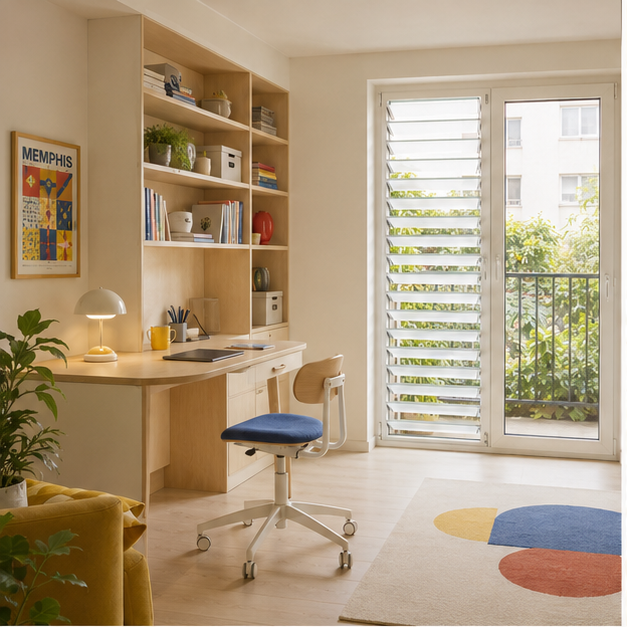
Glass louvre windows represent a sophisticated solution for buildings seeking to balance natural ventilation with aesthetic appeal and climate control. These innovative windows feature angled glass slats that open and close to regulate airflow, light, and weather protection simultaneously. Glass louvre windows have become increasingly popular in modern architecture because they address a fundamental challenge: maintaining comfortable indoor air quality without sacrificing energy efficiency or design integrity. Whether you're renovating an existing space or designing a new building, understanding how glass louvre windows maximize ventilation can transform your approach to indoor climate management.
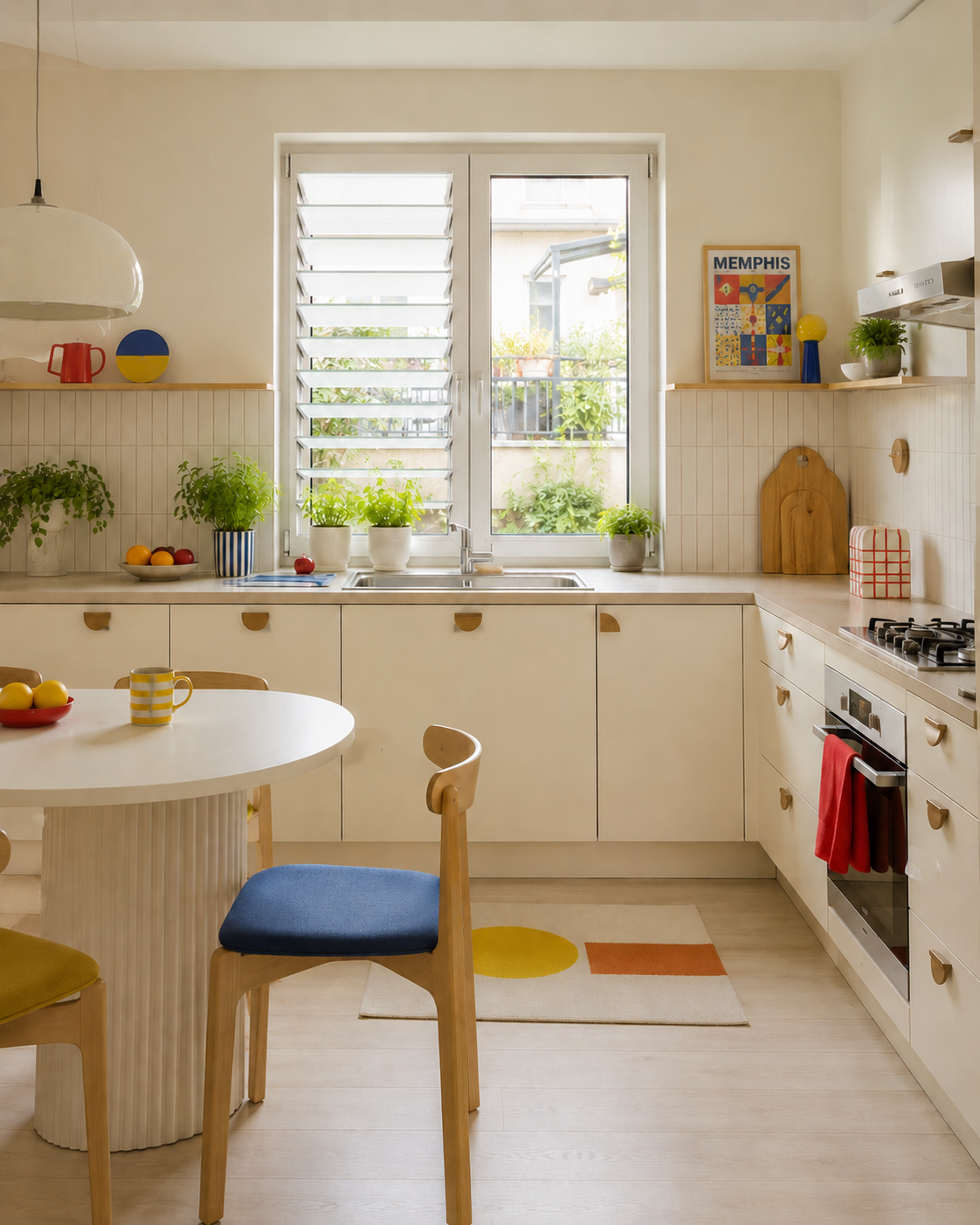
The strategic use of glass louvre windows in ventilation design has evolved significantly over the past decade. Building owners and architects now recognize that glass louvre windows can deliver measurable improvements in air quality, thermal comfort, and operational costs. Unlike conventional fixed windows, glass louvre windows provide dynamic control over ventilation patterns, allowing occupants to respond to changing weather conditions and seasonal variations. This guide explores the mechanisms behind glass louvre windows, practical applications across different building types, and strategies for maximizing their ventilation potential in your space.
Understanding Glass Louvre Windows and Ventilation Performance
How Glass Louvre Windows Operate
Glass louvre windows function through a series of horizontally oriented glass slats that pivot on vertical axes. When closed, these slats overlap to create a sealed barrier that resists wind-driven rain and maintains thermal control. As the slats tilt open, they create angled channels that direct incoming air upward and across the interior space, promoting natural convection and cross-ventilation. The effectiveness of glass louvre windows depends on the angle of opening, the size of the louver blade gaps, and the external wind pressure. By adjusting the angle of glass louvre windows from fully closed to fully open, occupants can fine-tune the balance between ventilation, privacy, and weather protection. This flexibility makes glass louvre windows superior to fixed windows for dynamic climate management.
Ventilation Dynamics and Air Movement
The ventilation capacity of glass louvre windows is determined by several interconnected factors that affect air velocity and volume. When glass louvre windows are partially open, the angle of the slats determines the direction and speed of incoming air. Steeper angles in glass louvre windows create higher pressure differentials, accelerating air intake, while shallower angles slow air movement and allow more filtration. The depth of the window frame also influences ventilation performance; deeper frames in glass louvre windows allow air to circulate more extensively before entering the room. Proper sizing and positioning of glass louvre windows on different building facades can dramatically enhance whole-building ventilation without requiring mechanical systems. Strategic placement of glass louvre windows on windward and leeward sides ensures consistent airflow even during light breezes.
Practical Applications for Maximizing Ventilation Efficiency
Residential Ventilation Solutions Using Glass Louvre Windows
In residential settings, glass louvre windows provide homeowners with responsive control over indoor air quality and thermal comfort. Bedrooms, living rooms, and kitchens benefit significantly from glass louvre windows because they enable continuous fresh air exchange without creating drafts or requiring window cleaning during rain. The adjustable nature of glass louvre windows makes them ideal for managing humidity levels, particularly in climates where condensation and moisture accumulation pose challenges. Many architects now recommend installing glass louvre windows in kitchens and bathrooms where humidity control is critical, as the ventilation capacity of glass louvre windows can be precisely matched to occupancy patterns and cooking cycles. Residential applications of glass louvre windows also reduce reliance on air conditioning, lowering energy costs while improving indoor air quality and occupant satisfaction.
Commercial and Institutional Buildings
Commercial buildings derive substantial benefits from the ventilation capabilities of glass louvre windows, particularly in office spaces where air quality directly impacts productivity and health outcomes. Conference rooms, open-plan offices, and collaborative spaces equipped with glass louvre windows report improved air freshness and reduced 'sick building syndrome' symptoms. Healthcare facilities, educational institutions, and hospitality venues increasingly specify glass louvre windows because the ventilation control they provide aligns with occupancy fluctuations and thermal load variations. The architectural sophistication of glass louvre windows also enhances building aesthetics while delivering superior ventilation performance compared to conventional curtain walls or fixed glazing systems. Integrating glass louvre windows into the HVAC design strategy of commercial buildings typically reduces mechanical ventilation requirements, decreasing operational expenses and carbon footprint.
Design Strategies and Optimization Techniques
Facade Orientation and Wind Exposure
Maximizing ventilation with glass louvre windows requires thoughtful consideration of building orientation and local wind patterns. Buildings positioned to capture prevailing breezes benefit most from glass louvre windows installed on the windward facade, where natural pressure differentials amplify the ventilation capacity of glass louvre windows. Conversely, glass louvre windows on the leeward side create suction effects that accelerate air extraction, establishing strong cross-ventilation when coordinated with windward openings. Urban environments where wind patterns are disrupted by neighboring structures demand more nuanced positioning of glass louvre windows, potentially incorporating vertical blade configurations to capture low-level air movement. Climate analysis should inform the specification of glass louvre windows, ensuring that blade angles, frame depths, and operating mechanisms align with seasonal wind speeds and building cooling demands.
Integration with Mechanical Systems
The ventilation optimization potential of glass louvre windows is maximized when they integrate seamlessly with mechanical HVAC infrastructure. Buildings employing hybrid ventilation strategies combine the dynamic response of glass louvre windows with computerized controls that modulate mechanical systems based on indoor air quality sensors and outdoor conditions. During favorable weather periods, glass louvre windows can operate at high opening angles, reducing mechanical cooling and ventilation load. Temperature sensors and humidity monitors can automatically adjust glass louvre windows to maintain specified indoor air quality parameters while minimizing energy consumption. This synergistic approach amplifies the ventilation benefits of glass louvre windows while maintaining thermal stability and operational resilience during extreme weather or high-occupancy periods.
Frequently Asked Questions
What is the typical ventilation rate improvement achieved by glass louvre windows?
Glass louvre windows can increase natural ventilation rates by 40 to 60 percent compared to fixed windows when fully opened under favorable wind conditions. The actual improvement depends on building configuration, facade orientation, climate zone, and internal airflow resistance. Buildings with complementary cross-ventilation design see even greater improvements in air exchange rates when glass louvre windows are properly specified and positioned.
How do glass louvre windows perform during rainfall and storms?
Glass louvre windows are specifically engineered to prevent water infiltration during rain because the overlapping slat design and angled configuration naturally shed water away from the building interior. Most glass louvre windows meet or exceed industry standards for water tightness, allowing them to remain safely partially open during light rain without moisture ingress. During severe storms, glass louvre windows close fully to provide complete weather protection.
Can glass louvre windows be retrofitted into existing buildings?
Yes, glass louvre windows can be retrofitted into many existing buildings, though the process varies based on current window frames, wall construction, and building codes. Professional assessment of existing conditions and structural compatibility is essential before specifying glass louvre windows for retrofit projects. Many buildings successfully upgrade to glass louvre windows, achieving significant improvements in ventilation performance and building value.