
 EN
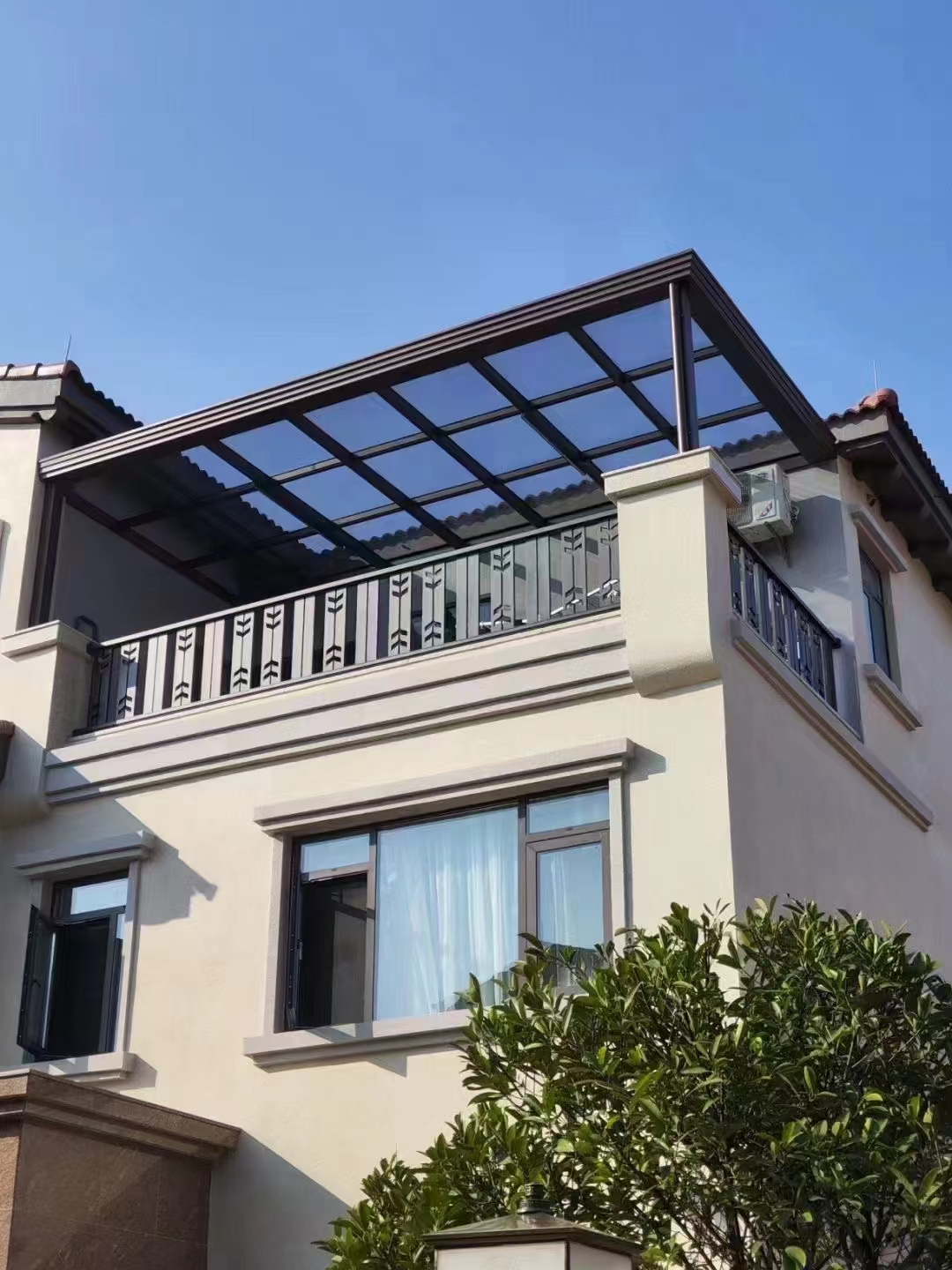
Your custom sunroom design represents a significant investment in your home's living space and overall aesthetic value. Maintaining the appeal and functionality of this specialized room requires a thoughtful approach that balances regular upkeep with strategic upgrades. A well-maintained custom sunroom design not only preserves your initial investment but also enhances your daily enjoyment of the space. Understanding the key maintenance practices ensures that your custom sunroom design remains visually stunning and structurally sound for years to come.
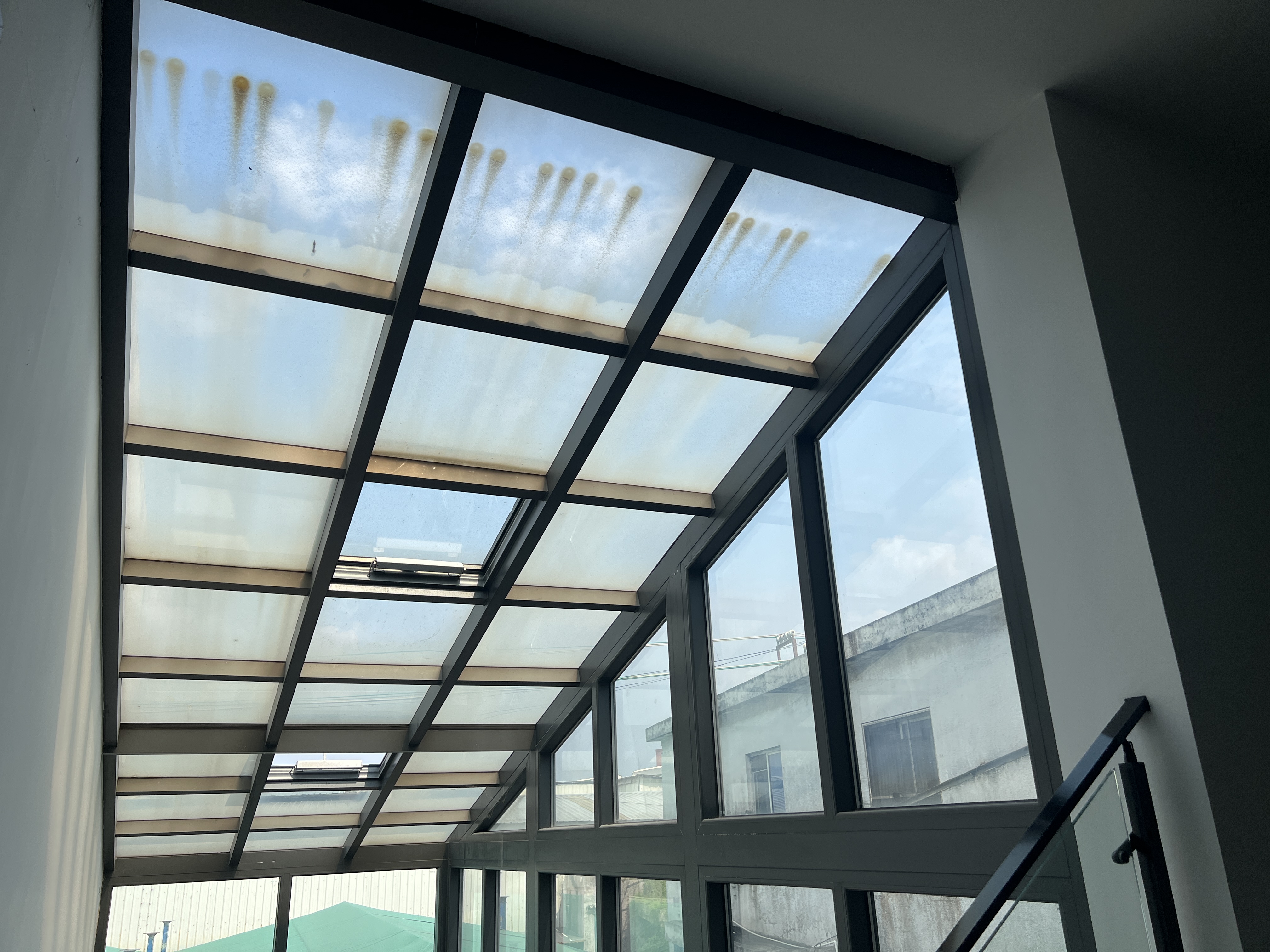
The longevity of your custom sunroom design depends on consistent attention to both preventative maintenance and seasonal adjustments. Environmental factors such as UV exposure, temperature fluctuations, and moisture accumulation present ongoing challenges to maintaining aesthetic and structural integrity. By implementing proven maintenance strategies tailored to your specific custom sunroom design, you can minimize deterioration and extend the lifespan of all components. This guide explores practical approaches to preserve your custom sunroom design's visual appeal while ensuring reliable performance throughout changing seasons.
Protecting Glazing and Window Components in Your Custom Sunroom Design
Addressing UV Damage and Glass Degradation
UV rays represent one of the primary threats to custom sunroom design aesthetics and material integrity. Continuous sun exposure causes fading of interior furnishings, flooring, and wall finishes while potentially weakening protective glazing layers. A custom sunroom design should incorporate UV-protective coatings or dual-pane glass that filters harmful radiation without compromising light transmission. Regular application of UV-protective window film provides an additional layer of defense, particularly on south or west-facing orientations where sun intensity peaks. Inspecting glazing for microcracks or seal deterioration becomes essential during seasonal transitions, as these vulnerabilities allow moisture infiltration and energy loss.
Maintaining Seals and Frame Integrity
The frame seals in your custom sunroom design act as critical barriers against water infiltration and air leakage. Silicone and urethane sealants degrade over time due to temperature cycling, UV exposure, and mechanical stress from wind pressure. Examine all frame seals quarterly for signs of cracking, separation, or discoloration that indicate compromised performance. Recaulking compromised seals preserves the weatherproofing of your custom sunroom design and prevents costly interior damage from moisture intrusion. Cleaning the frame exterior with mild detergent and soft brushes removes accumulated dirt and algae that can trap moisture against the frame material.
Managing Temperature Regulation and Structural Performance
Ventilation and Thermal Comfort Optimization
Proper ventilation fundamentally influences both comfort levels and the longevity of your custom sunroom design materials. High interior temperatures during summer months accelerate material degradation and increase cooling demands for connected living spaces. Operable roof vents, side louvers, and ceiling fans circulate air effectively while preventing hotspot accumulation that stresses structural components. Your custom sunroom design benefits from motorized louver systems that adjust automatically based on interior temperature, minimizing manual intervention while maximizing efficiency. Ensuring that ventilation openings remain unobstructed by furniture or debris maintains consistent air circulation throughout the custom sunroom design footprint.
Foundation and Structural Support Assessment
The foundation supporting your custom sunroom design must remain stable and free from settlement or moisture-related degradation. Cracks appearing in concrete foundations or visible separation between the room structure and adjacent walls signal potential foundation movement requiring professional evaluation. Maintaining proper drainage around the perimeter of your custom sunroom design prevents water accumulation that undermines foundation stability. Inspect interior floor surfaces annually for signs of settling, cracking, or uneven wear patterns that indicate structural issues within your custom sunroom design. Addressing minor foundation concerns promptly prevents escalating damage that could compromise the safety and integrity of the entire custom sunroom design structure.
Preserving Interior Aesthetics and Material Longevity
Flooring, Furniture, and Furnishing Protection
Interior components of your custom sunroom design experience accelerated wear compared to traditional enclosed rooms due to direct sunlight exposure and temperature fluctuations. High-quality area rugs protect underlying flooring materials while adding visual warmth to the custom sunroom design environment. Rotating furniture placement reduces uneven fading patterns and distributes wear across all accessible floor areas within your custom sunroom design. Upholstered pieces benefit from seasonal covers or UV-protective treatments that extend the lifespan of fabrics and padding in your custom sunroom design. Regular vacuuming and spot cleaning address accumulated dust and pollen that accumulate more rapidly in spaces featuring extensive glazing like your custom sunroom design.
Paint, Wall Finishes, and Aesthetic Refresh Strategies
Wall finishes in your custom sunroom design require UV-resistant paints formulated to withstand continuous sun exposure without rapid color degradation. Mildew-resistant paint formulations prove particularly valuable in humid climates where moisture exposure threatens the aesthetic appeal of your custom sunroom design. Scheduling interior repainting every five to seven years maintains the visual freshness of your custom sunroom design while providing opportunity to address minor wall damage. High-gloss or semi-gloss finishes reflect light effectively and enhance brightness within your custom sunroom design while offering superior moisture resistance compared to flat finishes. Selecting neutral base colors for your custom sunroom design allows flexible seasonal decorating while maintaining cohesive aesthetic continuity with adjacent living spaces.
FAQ
How often should I clean the glazing in my custom sunroom design?
Clean exterior and interior glazing surfaces in your custom sunroom design every two to four weeks during high pollen seasons and monthly during other periods. Use soft cloths, mild soap solutions, and squeegees to avoid scratching the glass while removing accumulated dust, pollen, and environmental contaminants. More frequent cleaning becomes necessary in coastal areas where salt spray accumulates on your custom sunroom design glazing surfaces.
What indicators suggest my custom sunroom design requires professional maintenance intervention?
Visible water stains, condensation between pane layers, audible drafts, visible frame separation, or interior mold growth within your custom sunroom design warrant immediate professional assessment. Structural sounds such as creaking during wind events or visible foundation cracks should trigger professional evaluation of your custom sunroom design integrity.
Can I extend the lifespan of my custom sunroom design through preventative treatments?
Yes, applying UV-protective coatings to glazing, maintaining proper caulking, ensuring adequate drainage, and scheduling regular inspections significantly extends the lifespan of your custom sunroom design. Investing in preventative maintenance proves far more cost-effective than addressing major structural or material failures in your custom sunroom design after they develop.