
 EN
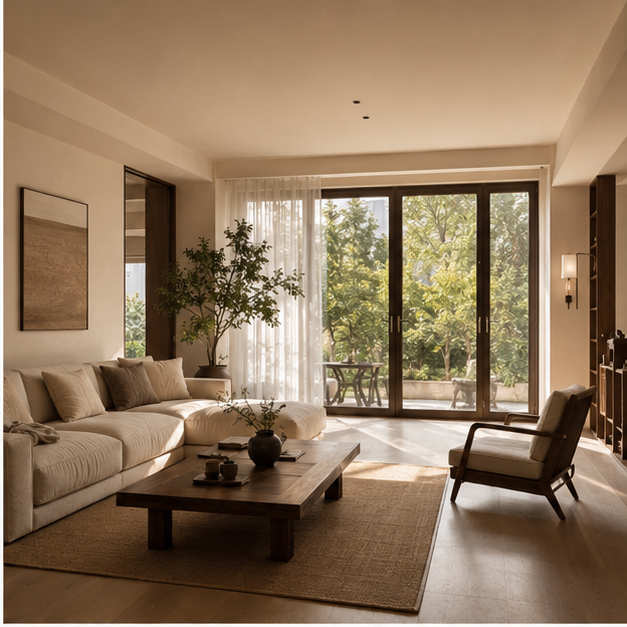
In 2026, choosing a door means weighing more than its purchase price. A solid wood door can outperform many alternatives when a project values repairability, natural character, dependable everyday use, and a finish that can be renewed. Its advantage is not automatic: species, construction, room conditions, and installation all affect results.
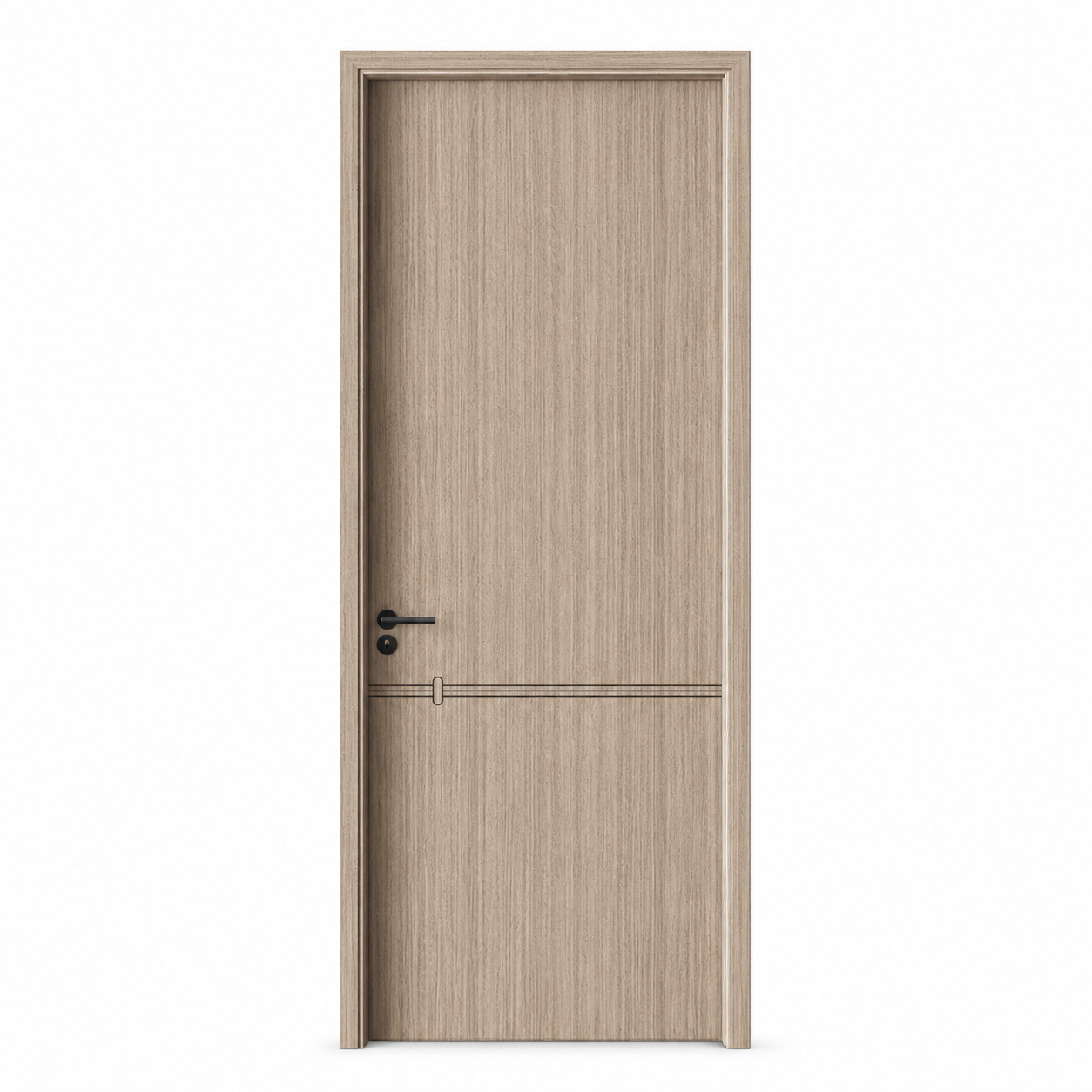
Compared with hollow-core, molded, or some composite products, a solid wood door offers a substantial feel and a material that can often be repaired or refinished. Those qualities matter in commercial interiors, hospitality projects, offices, and long-term renovations. Understanding where the solid wood door earns its value helps teams specify it for the right openings rather than treating it as a universal solution.
Material advantages that hold up in daily use
Durability and repairability across a long service life
A solid wood door has a dense, substantial construction that can stand up well to routine handling when it is properly made, installed, and maintained. In busy interiors, that physical presence can be valuable at frequently used openings. Unlike a thin surface over a lightweight core, a solid wood door may allow localized dents and scratches to be repaired without replacing the entire unit.
That repair potential changes the lifecycle calculation. A facility team may be able to sand, patch, or refinish a solid wood door when the finish becomes worn, depending on the product’s construction and remaining material. By contrast, damage to a thin veneer or molded skin may be harder to conceal. Maintenance still matters: avoid excessive moisture, use suitable cleaning methods, and promptly address chips or finish wear.
Appearance and tactile quality for considered interiors
Natural grain gives each solid wood door a distinct visual pattern, helping architects coordinate doors with flooring, wall finishes, and furniture. The material can suit traditional settings as well as contemporary interiors, where a restrained grain and simple profile add warmth. For projects seeking a consistent look, teams should review samples and define acceptable variation before ordering.
The solid wood door also feels substantial in use, which can influence how people perceive an entrance or private room. That experience may support a higher-quality impression in executive offices, guest rooms, or client-facing spaces. However, appearance depends on species, stain, sealant, and lighting; a sample viewed in the actual space is more useful than relying on a small catalog image alone.
Performance benefits and the conditions behind them
Acoustic comfort and privacy expectations
A solid wood door’s mass can help reduce sound transmission compared with a lightweight hollow-core alternative, making it relevant for meeting rooms, offices, and hospitality interiors. The result depends on the full opening, not the leaf alone. Gaps at the frame, an unsealed threshold, or poorly fitted hardware can weaken the acoustic contribution of even a well-built solid wood door.
For a project with privacy targets, specify the door alongside compatible frames, seals, and installation details. A solid wood door should not be treated as a guaranteed sound-control system without testing or documented assembly performance. Teams can identify the rooms where speech privacy matters most, then align the door assembly and site workmanship with those needs.
Thermal stability, moisture, and installation realities
Wood responds to changes in humidity, so a solid wood door can expand or contract as indoor conditions shift. Stable manufacturing, appropriate acclimation, suitable finishing, and careful installation reduce avoidable movement, but cannot remove the material’s natural response. In spaces with fluctuating moisture, the project team should assess whether the environment suits a solid wood door before specifying it throughout.
A durable result begins with accurate measurements and a properly prepared opening. Installers need to account for clearances, hardware weight, frame condition, and the building’s expected operating environment. Where the design calls for a combination of materials, review the construction details rather than assuming every timber-faced or hybrid option performs like a solid wood door. For context on alternative constructions, compare this solid wood door reference with the actual assembly being considered.
Project value and specification decisions in 2026
Lifecycle value beyond the initial price
The upfront cost of a solid wood door may be higher than that of some lightweight alternatives, so a fair comparison considers expected service, maintenance, and replacement needs. In a long-lived commercial fit-out, the option to refinish a solid wood door may help extend its useful appearance. That value depends on the quality of the original product and whether the owner plans routine care.
Procurement teams should compare complete assemblies, including frames, finishes, hardware preparation, and installation. A low initial price can be misleading if the selected construction is difficult to repair or does not meet the project’s intended use. Conversely, a solid wood door may not justify its cost in a low-traffic or short-term space where a simpler product meets the brief.
Choosing the right openings and documenting requirements
The strongest case for a solid wood door is usually at openings where touch, appearance, privacy, and long-term upkeep matter together. Examples include office fronts, hospitality rooms, and carefully finished residential common areas. For utility spaces, high-moisture locations, or openings with specialized fire or security requirements, confirm compliance and environmental suitability before selecting a solid wood door.
In 2026, project documentation should make expectations clear from design through handover. Record the intended species or appearance, finish, dimensions, hardware, tolerances, and maintenance guidance. Ask for relevant product documentation, and ensure the solid wood door specification matches local codes and the door’s actual application. Clear decisions reduce substitutions and help facility staff care for the installed product appropriately.
FAQ
Why can a solid wood door last longer than a hollow-core door?
A solid wood door has a substantial construction that may tolerate routine use and allow repairs to some surface damage. Its service life depends on workmanship, installation, environment, and maintenance. A solid wood door is not immune to wear, but its repair options can help preserve it over time.
Does a solid wood door provide better sound privacy?
A solid wood door’s mass can contribute to sound reduction compared with a lightweight alternative. The complete assembly matters: frame fit, perimeter seals, threshold, and installation all affect the result. Specify a tested assembly when a solid wood door must meet a defined acoustic target.
Is a solid wood door suitable for every commercial space?
No. A solid wood door can be a strong fit where appearance, feel, repairability, and long-term use are priorities, but moisture exposure and code requirements need review. Select a solid wood door only after confirming the opening conditions, intended performance, maintenance plan, and project budget.