
 EN

A solid wood door can stay attractive and work smoothly for years when care matches its finish, location, and exposure to changing conditions. In 2026, a useful maintenance routine for a solid wood door is less about frequent polishing and more about gentle cleaning, stable indoor humidity, timely inspection, and prompt attention to small changes. These habits help protect the surface and reduce avoidable wear.
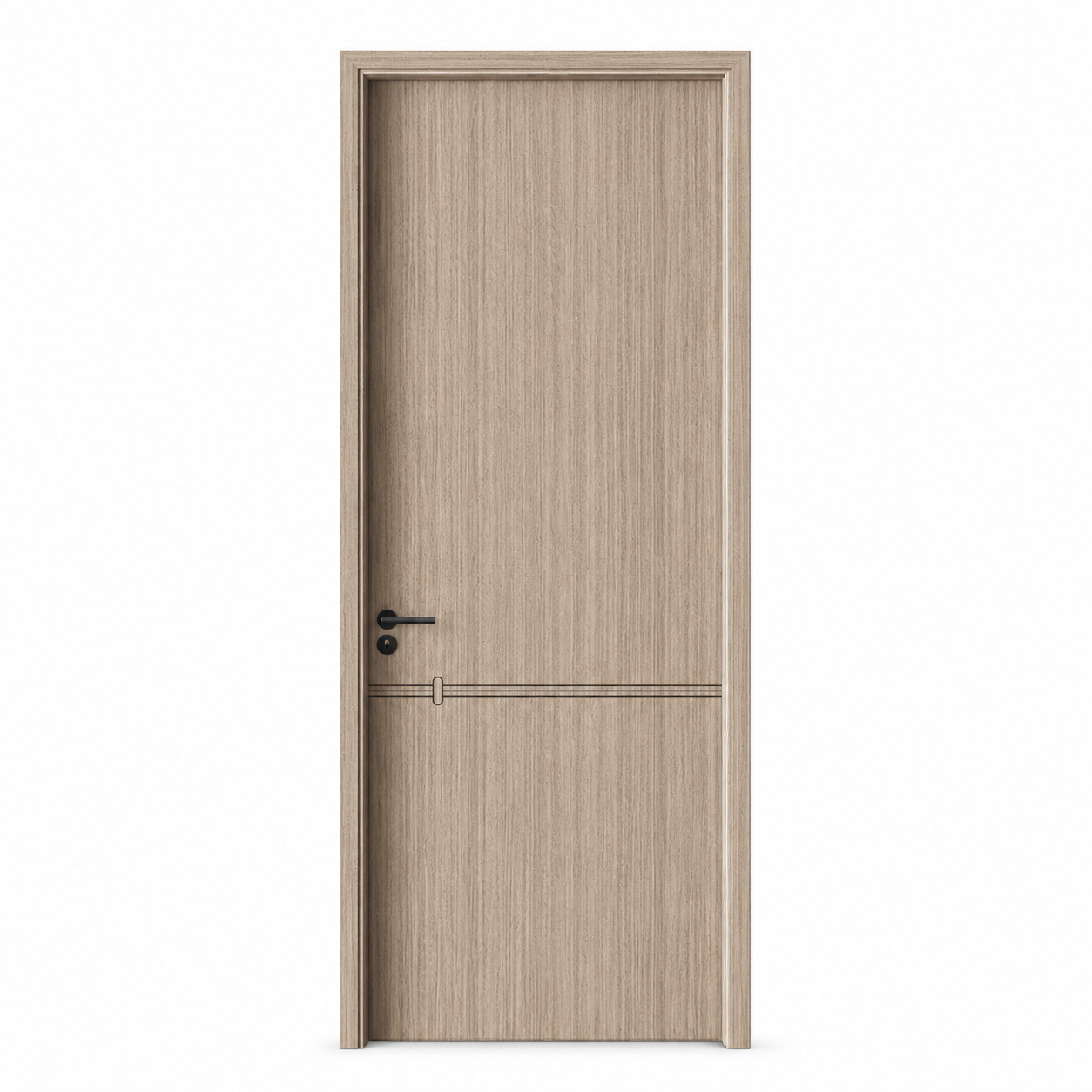
Start by identifying the door’s finish and the conditions around it, because the right method for one solid wood door may not suit another. Painted, stained, sealed, and unfinished surfaces respond differently to moisture and cleaners. This guide explains how to assess the door, build a practical care routine, and recognize when a repair or adjustment is needed, whether the door is in a home, office, or light commercial space.
Assess the Door Before Choosing a Routine
Identify finish, location, and exposure
Check whether the solid wood door has paint, clear sealer, stain, or an unfinished surface before applying any product. Look for care guidance from the installer or finish provider, especially if the door is new or has a specialty coating. A cleaner that is safe on sealed timber may dull paint or mark an untreated solid wood door, so testing a hidden area is a sensible first step.
Location shapes the maintenance plan. A solid wood door beside a sunny window may fade or dry unevenly, while a bathroom or exterior-facing entrance can encounter more moisture and temperature changes. Note direct sunlight, nearby heating vents, frequent splashes, and drafts. These observations help explain why a solid wood door might develop a finish change or begin to bind, rather than prompting unnecessary sanding or coating.
Record a simple baseline
When the solid wood door is operating normally, note how it closes, where it meets the frame, and whether the latch engages easily. A quick visual check of the edges, panels, finish, and hardware creates a useful reference for later inspections. For a solid wood door in a workplace, record the date and any existing marks so maintenance staff can distinguish gradual change from new damage.
Look closely at joints and edges as well as the broad face. Small finish cracks, raised grain, or a new gap may indicate exposure or movement that deserves monitoring. Photographing a solid wood door from consistent angles can make subtle changes easier to compare over time. Avoid treating every variation in natural grain as a defect; the baseline is meant to track function and condition, not erase the wood’s character.
Control Moisture and Clean Gently
Keep indoor conditions reasonably stable
Wood responds to moisture in the surrounding air, so large or rapid humidity swings can affect how a solid wood door fits its frame. Maintain comfortable, reasonably stable indoor conditions where practical, and use ventilation in rooms that accumulate steam. Do not direct a heater, humidifier, or air-conditioning stream at a solid wood door, since concentrated exposure can contribute to uneven changes across the surface.
If a solid wood door begins rubbing, first check whether the change appeared during a period of unusual weather or indoor humidity. Give conditions time to stabilize before making permanent alterations. Tightening hinges or trimming the door immediately may solve the wrong problem and create a lasting gap after the wood settles. Persistent sticking, swelling, or visible distortion warrants assessment by a qualified door professional.
Use a low-impact cleaning method
For routine cleaning, remove loose dust with a soft, dry cloth, following the grain where possible. If the solid wood door needs more attention, use a lightly damp cloth and dry the surface promptly. Keep water away from joints, panel edges, and unsealed areas. Avoid abrasive pads, strong solvents, and all-purpose sprays unless the finish instructions specifically approve them for that solid wood door.
Build cleaning into normal facility or household upkeep rather than waiting for visible buildup. Finger marks around handles and dust on the top edge can often be removed with minimal moisture and a clean cloth. Before using any new cleaner on a solid wood door, test a small, inconspicuous area and let it dry fully. Stop if the finish becomes cloudy, sticky, discolored, or unusually dull.
Protect the Finish and Maintain Hardware
Preserve the surface without over-treating it
A finish helps shield a solid wood door from everyday contact, but coating requirements depend on the original product and its condition. Do not apply polish, wax, oil, or a fresh topcoat by habit; incompatible materials can leave residue or complicate later refinishing. Follow the finish maker’s guidance, and seek advice before recoating a solid wood door when the existing layer is peeling, cracked, or uncertain.
Manage sunlight and contact to reduce uneven wear. Blinds, curtains, or a suitable overhang can limit direct exposure, while door stops help prevent handles from striking walls. If the surface needs professional refinishing, confirm that the proposed preparation and coating suit the existing finish and the door’s location. A solid wood door should be assessed by its actual material and finish before any maintenance product is selected.
Inspect hinges, latch, and seasonal changes
A solid wood door depends on correctly seated hinges and aligned hardware to open and close smoothly. Check for loose screws, squeaks, a latch that misses its strike plate, or movement at the hinge leaves. Tighten hardware carefully with the appropriate tool, and use lubricant only where the hardware guidance recommends it. Avoid forcing a solid wood door that is rubbing, since pressure can damage the edge or frame.
Schedule a brief inspection when seasons change, after renovation work, or when indoor heating and ventilation patterns shift. Review the finish, edges, hinges, latch, and clearance, then compare observations with the baseline. If a solid wood door continues to bind after the room conditions stabilize, or if cracks and loose joints expand, arrange a professional evaluation instead of repeatedly adjusting the frame.
FAQ
How often should a solid wood door be inspected?
A quick visual and operating check every few months is practical for many settings, with additional checks after seasonal shifts or unusual moisture exposure. A solid wood door in a busy facility may need more frequent attention to hardware and contact marks. Adjust the schedule to traffic, location, and any changes observed, rather than relying on a rigid calendar alone.
Can I use household furniture polish on a solid wood door?
Not automatically. Products vary, and some can leave buildup or interact poorly with a particular coating. Confirm the finish guidance before applying polish to a solid wood door, and test in a hidden spot first. A clean, soft cloth is often sufficient for routine dust and light marks without introducing another material to the surface.
What should I do if my solid wood door sticks?
Check whether humidity, temperature, or a recent building change coincides with the problem, and inspect hinges and latch alignment. Let indoor conditions settle before considering permanent trimming. If the solid wood door remains difficult to operate, shows distortion, or has damaged joints, ask a qualified professional to diagnose the cause and recommend a suitable repair.