
 EN
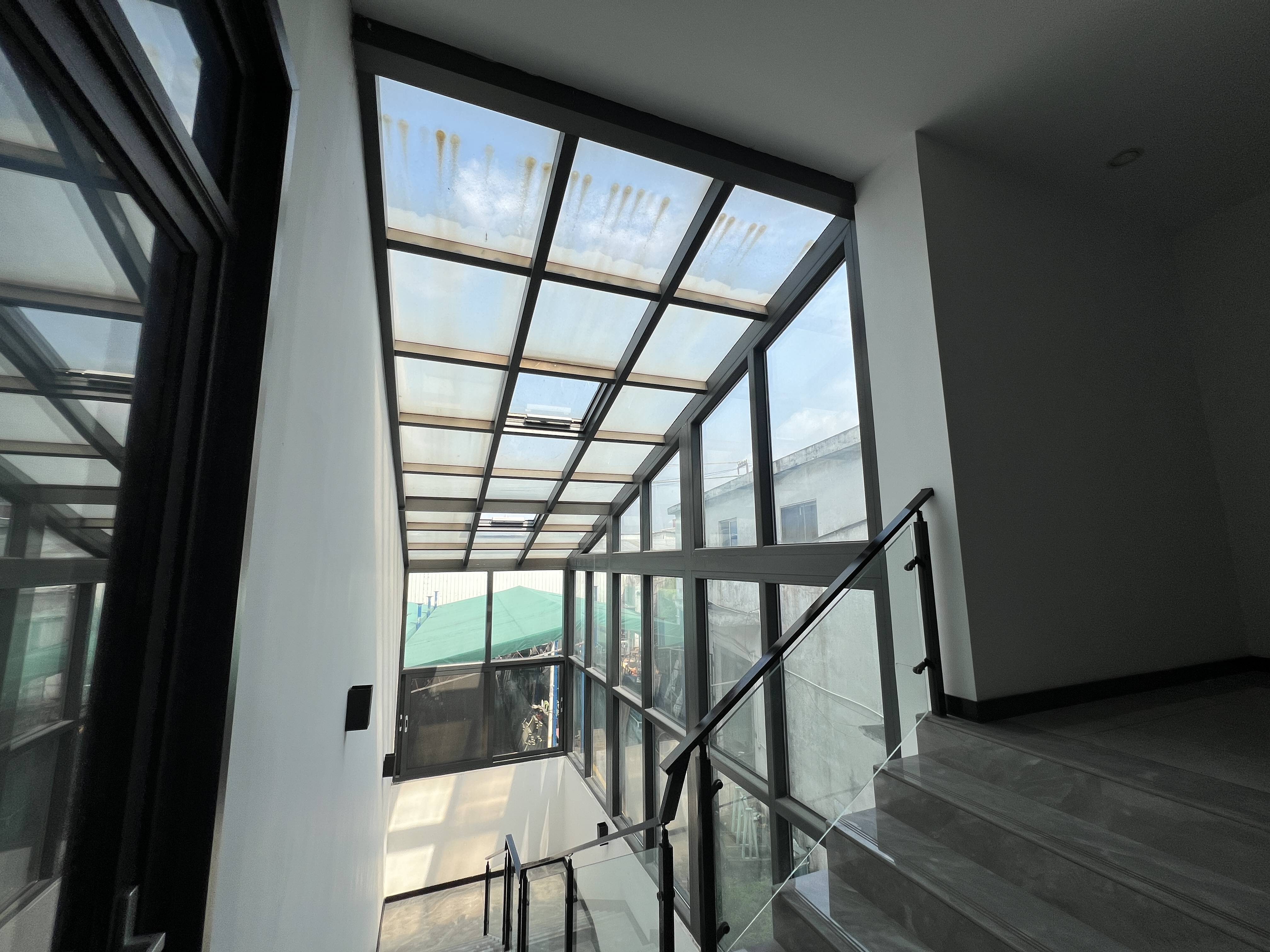
A sunroom is a specialized enclosed structure designed to capture natural light while providing weather protection and temperature control. Unlike traditional rooms, a sunroom combines the openness of outdoor spaces with the comfort and functionality of interior environments. For business properties, a sunroom serves as a versatile addition that enhances property value, expands usable space, and creates welcoming environments for clients and employees. The sunroom concept has evolved significantly over the past two decades, transforming from a luxury residential feature into a practical business asset that delivers measurable returns on investment.
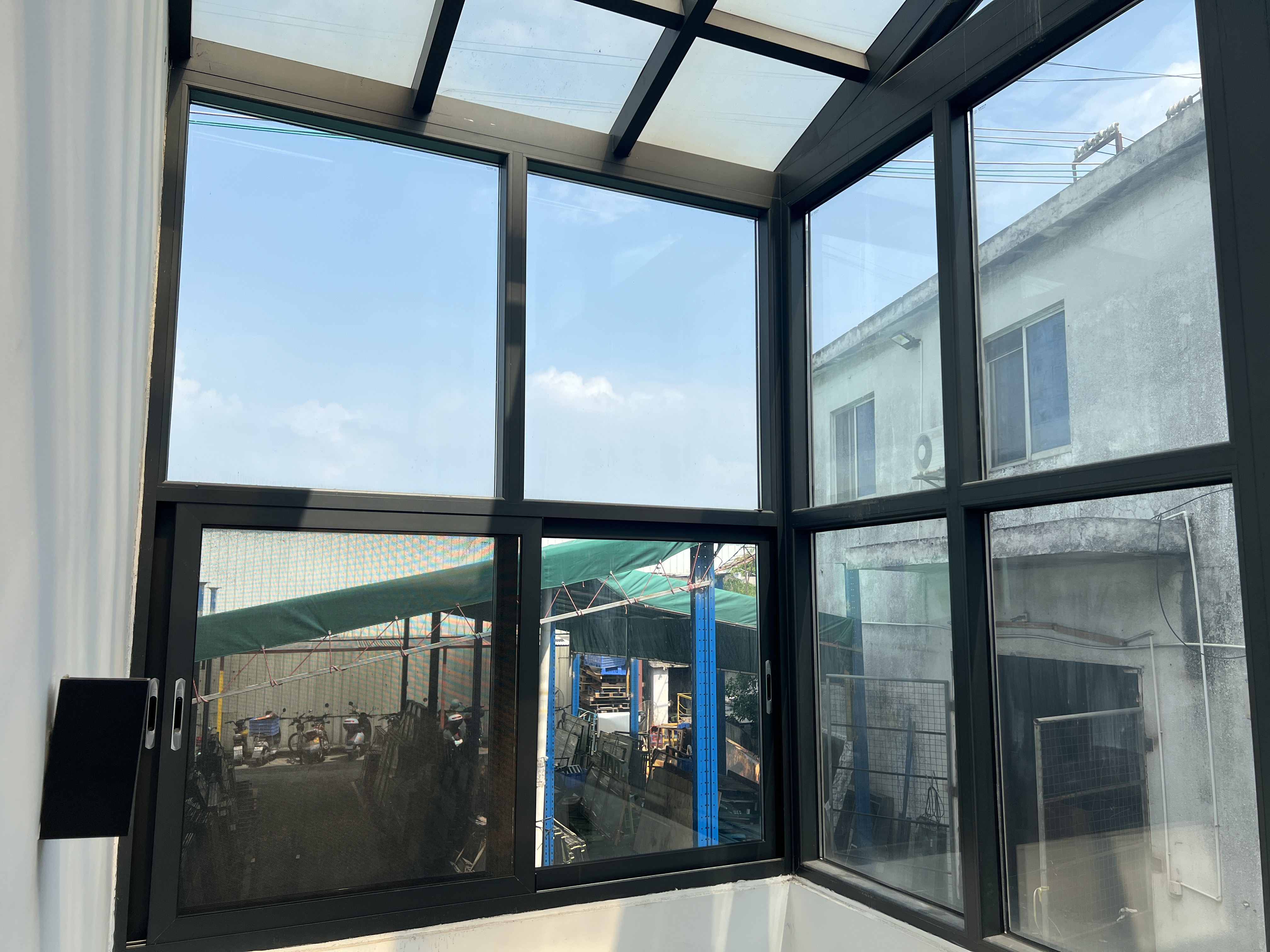
The fundamental appeal of a sunroom lies in its ability to bridge indoor and outdoor living while maintaining year-round usability. Whether integrated into corporate offices, hospitality venues, retail establishments, or professional service facilities, a sunroom transforms ordinary spaces into dynamic environments that enhance both aesthetic appeal and operational efficiency. Business owners increasingly recognize that a sunroom adds functional square footage without the significant expense of traditional construction, making it an economical expansion strategy. Understanding what defines a sunroom and recognizing its specific benefits empowers business decision-makers to leverage this architectural investment for competitive advantage and operational improvement.
Core Design Features of a Sunroom
Structural Components and Materials
A sunroom typically features a sturdy frame constructed from aluminum, wood, or vinyl, with extensive glazing that maximizes natural light penetration. The roof system of a sunroom can be glass, polycarbonate, or transparent materials that allow sunlight to flood the interior while providing UV protection. Wall panels in a sunroom often combine glass sections with solid insulation materials to balance light transmission with thermal efficiency. Quality sunroom construction incorporates proper ventilation systems, weather sealing, and foundation anchoring to ensure structural integrity and seasonal durability. The frame material choice for a sunroom significantly affects maintenance requirements, longevity, and aesthetic compatibility with existing architecture.
Climate Control Integration
Modern sunroom designs incorporate HVAC compatibility, allowing climate control systems to maintain comfortable temperatures throughout the year. A sunroom with proper insulation and ventilation prevents excessive heat buildup in summer and retains warmth during cold months, making it usable across all seasons. Automated shading systems integrated into a sunroom design enable occupants to regulate solar gain and glare while maintaining visibility. Smart ventilation features in a sunroom facilitate air circulation and humidity management, preventing moisture accumulation and ensuring healthy indoor air quality. Business properties benefit significantly when their sunroom includes these climate-control elements, as they expand the usable seasons and enhance comfort for occupants.
Primary Business Benefits of a Sunroom
Enhanced Property Value and Space Expansion
Adding a sunroom to a business property increases total square footage, which directly impacts property valuation and rental potential. A sunroom expansion is typically more cost-effective than traditional construction, delivering faster ROI while minimizing disruption to operations. The functional square footage added by a sunroom provides flexible space for multiple uses without requiring major structural modifications to existing buildings. For businesses looking to expand operations or accommodate growth, a sunroom offers a pragmatic solution that combines affordability with aesthetic upgrade. Real estate appraisers increasingly recognize sunroom additions as value-enhancing improvements, particularly when the sunroom integrates seamlessly with the property's design and functionality.
Operational and Employee Experience Benefits
A sunroom serves as an exceptional break room, meeting space, or client reception area that naturally improves employee morale and satisfaction. Natural light exposure within a sunroom environment reduces fatigue, enhances mood, and promotes productivity, creating measurable wellness benefits for staff. Clients and customers perceive a sunroom space as modern, welcoming, and high-value, positively influencing business impressions and brand perception. A sunroom can function as a hospitality showcase, dining area, or flexible event space that adapts to diverse business needs throughout the week. The psychological benefits of working or meeting within a sunroom environment contribute to improved retention, performance, and client satisfaction metrics that drive business success.
Commercial Applications and Use Cases
Hospitality and Retail Sector Applications
Hotels and resorts leverage a sunroom concept to create premium dining, spa, or leisure spaces that justify premium pricing and attract discerning clientele. Retail businesses utilize a sunroom to showcase merchandise under optimal natural lighting conditions that enhance product appearance and customer experience. Restaurant and café operators employ a sunroom design to offer distinctive dining experiences that attract customers seeking natural ambiance and outdoor-indoor fusion. A sunroom in hospitality settings extends operational capacity during peak seasons while reducing energy costs through natural lighting and passive solar heating. These commercial applications demonstrate that a sunroom transforms standard business spaces into destination experiences that drive customer loyalty and revenue growth.
Professional Services and Corporate Use
Professional firms including medical offices, legal practices, and consulting businesses integrate a sunroom to create inviting client consultation spaces that reduce stress and enhance service perception. Corporate training facilities incorporate a sunroom to provide inspiring learning environments that boost engagement and retention of instructional content. A sunroom serves wellness-focused businesses such as yoga studios, meditation centers, and therapy practices, providing an ideal environment that aligns with wellness philosophies and client expectations. Educational institutions and professional development centers utilize a sunroom as a distinctive classroom or seminar space that enhances learning outcomes through natural light and psychological comfort. The sunroom applications across professional services sectors demonstrate broad appeal and adaptability to diverse business models and client experience strategies.
FAQ
What distinguishes a sunroom from a traditional conservatory?
While both structures emphasize natural light and open aesthetics, a sunroom prioritizes year-round functionality with integrated climate control, insulation, and ventilation systems designed for regular occupancy. A traditional conservatory emphasizes botanical displays and aesthetic ambiance, often with more elaborate architectural details but less sophisticated climate management. A sunroom focuses on practical usability across all seasons, making it ideal for business applications requiring consistent comfort and operational reliability. The sunroom design philosophy prioritizes performance and functionality, whereas conservatories often emphasize design heritage and specialized purpose.
How much does adding a sunroom to a business property typically cost?
Sunroom costs vary based on size, materials, climate systems, and site conditions, but typically range from moderate to premium investment depending on specifications and complexity. A basic sunroom structure is substantially less expensive than equivalent square footage achieved through traditional construction, offering superior cost-efficiency. Premium sunroom installations with advanced glazing, automated climate control, and high-end finishes represent greater investment but deliver enhanced functionality and resale value. Business owners should evaluate sunroom investment against project-specific ROI timelines, occupant experience priorities, and operational expansion goals to determine appropriate budget allocation.
Can a sunroom be customized for specific business industry requirements?
Yes, modern sunroom designs offer extensive customization options including frame materials, glazing types, roof configurations, ventilation systems, and interior finishes that adapt to industry-specific needs. A sunroom can incorporate specialized features such as controlled humidity for botanical retail, dedicated HVAC zones for sensitive operations, or premium acoustic treatments for professional environments. Industry-specific sunroom modifications ensure the structure supports operational requirements while maintaining aesthetic consistency with business branding and facility standards. Professional sunroom designers collaborate with business operators to tailor installations that optimize functionality, compliance, and user experience for targeted commercial applications.